U.S. AI Data Centers Use More Electricity Than Some Countries
Fossil fuels remain the largest electricity source for America’s biggest data centers.
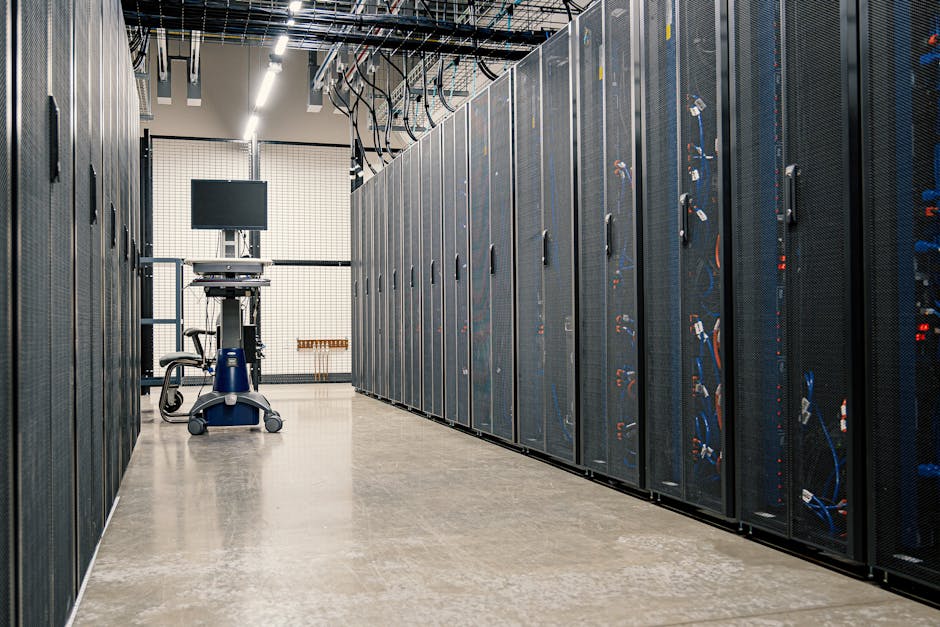
Researchers mapped 403 US hyperscale data centers with satellite images, then estimated their electricity needs from each site’s electrical capacity. They combined those estimates with Environmental Protection Agency data to model carbon pollution from local-grid power during the period from May 2024 through April 2025. These enormous facilities can cover millions of square feet and are being developed partly for generative AI computing.
Across that year, the identified facilities used an estimated 82 terawatt-hours, equal to roughly 1.8 percent of electricity used throughout the US. Their combined demand surpassed the annual electricity consumption of about 148 individual nations, including Austria, Israel, and Venezuela. An estimated 54 percent of their power came from coal and gas. CO2 tied to the facilities totaled about 25.7 million metric tons—similar to Denmark’s yearly carbon footprint and greater than total emissions from roughly 113 nations.
Location strongly shaped the results. For every kilowatt-hour, electricity generated in coal-dependent Wyoming created about seven times the carbon pollution associated with hydropower-rich Oregon. Researchers warned that power plants and related infrastructure added for expanding data-center demand could remain in service for decades. They are developing a website to follow the environmental effects of individual facilities, while a bipartisan congressional bill could require nationwide disclosure of data-center electricity use. The estimates exclude local air pollution from new gas infrastructure and gas turbines installed by some AI companies for off-grid power.
- 403 hyperscale US facilities were identified.
- Estimated yearly use reached 82 terawatt-hours.
- Coal and gas supplied about 54 percent of electricity.
- Estimated CO2 totaled 25.7 million metric tons.
- The modeled period ran from May 2024 through April 2025.
Source: The Verge AI ↗
Summarized from the reporting above. Read it for the full story.
An AI receptionist that answers your business calls around the clock, so no lead goes to voicemail.
See how it works →


Get briefs like this by email