U.S. Inflation Accelerated in October Despite Cheaper Gas
Annual price growth reached 3.8%, compared with 3.6% in September.
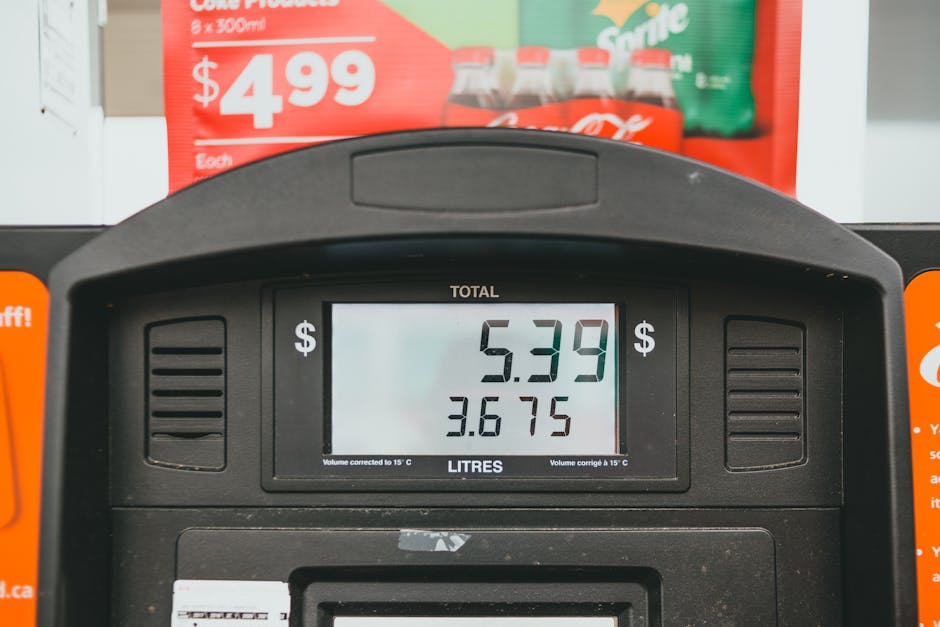
Consumer prices increased 3.8% over the year through October, compared with 3.6% in September. From September to October, the overall index rose 0.3%, a slower monthly pace than September’s 0.6% gain. Gas prices increased only 0.8% during October after rising 9.2% the month before, while food costs climbed 0.4%, their largest monthly increase since April.
Underlying inflation also moved higher. After excluding food and energy, prices were up 3.3% from a year earlier, compared with 3.1% in September. That yearly measure reached its highest point in three years and remained above the Federal Reserve’s 2% target. For Simi Valley households, the figures point to continued pressure on groceries and other necessities, even with slower gas-price increases.
The broader economy grew at a revised 4.3% annual rate during the July-September quarter. Consumer spending rose 4.2%, business investment jumped 16.1%, and incomes increased 0.7% in October before inflation was considered. The combination of strong growth and persistent price increases is expected to weigh on the Fed’s next decision. Economists anticipate a rate increase at its Dec. 8-9 policy meeting; higher rates can raise the cost of borrowing for homes, cars and credit cards. Separately, weekly unemployment-benefit applications fell by 13,000 to 189,000, indicating layoffs remained low.
- October annual inflation: 3.8%, up from 3.6% in September
- Food prices rose 0.4% from September to October
- Core inflation reached 3.3% year over year
- Next Fed policy meeting: Dec. 8-9
- Unemployment-benefit applications fell to 189,000
Source: PBS NewsHour ↗
Summarized from the reporting above. Read it for the full story.
Estimate your home equity with the free 4Homes calculator.
Check my equity →


Get briefs like this by email